Blog Update
By Luiz Silvio
What Is Freight Forwarding? A Complete Guide for Importers and Exporters
41 views

International shipping can appear simple from the outside: goods leave one country and arrive in another. In reality, a single international shipment can involve exporters, importers, shipping lines, airlines, ports, airports, customs authorities, warehouses, trucking companies, documentation, insurance, and final-mile delivery.
This is where freight forwarding becomes important.
A freight forwarder helps coordinate the movement of cargo from its origin to its destination. Depending on the shipment, this may involve air freight, ocean freight, road transportation, warehousing, customs coordination, cargo consolidation, documentation, and final delivery.
What Does a Freight Forwarder Do?
A freight forwarder may coordinate:
- Shipment planning
- Carrier bookings
- Cargo consolidation
- Transportation arrangements
- Shipping documentation
- Customs-related processes
- Port and airport coordination
- Warehousing
- Cargo tracking
- Final-mile transportation
Rather than requiring a business to coordinate every stage independently, freight forwarding creates a more organized logistics process.
Freight Forwarding vs. Courier Delivery
Courier services are generally designed for smaller parcels, documents, and time-sensitive deliveries.
Freight forwarding is more commonly associated with commercial cargo, international shipments, pallets, containers, and complex transportation requirements.
A growing e-commerce company, for example, might use courier services to deliver individual orders to customers while using freight forwarding to import inventory from overseas suppliers.
Why Businesses Use Freight Forwarders
International logistics can become complicated quickly. A shipment may need to change transportation modes several times before reaching its final destination.
For example:
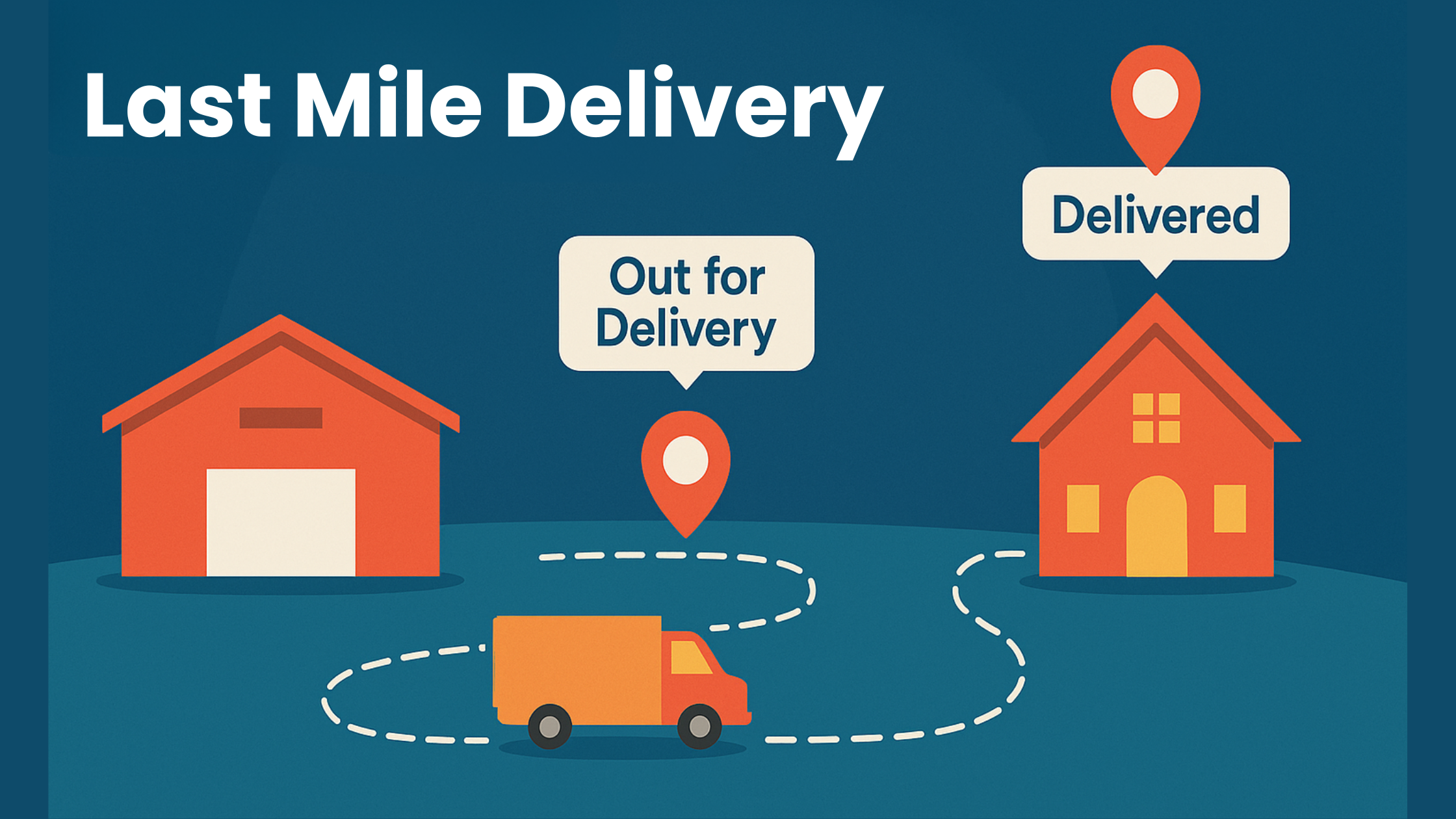
Supplier → Warehouse → Port → Ocean Freight → Destination Port → Truck → Distribution Center → Customer
A freight forwarder can help coordinate these stages into one connected transportation process.
The Importance of Documentation
Shipping documentation is another important part of international logistics. Incorrect or incomplete information can result in delays, additional costs, or complications during customs processing.
Businesses should therefore ensure that shipment information is accurate and that required documents are prepared appropriately.
Choosing a Freight Forwarding Partner
Businesses should consider several factors when selecting a logistics provider:
- Geographic coverage
- Transportation options
- Industry experience
- Shipment visibility
- Customer support
- Warehousing capabilities
- Customs coordination
- Delivery network
- Scalability
The best logistics partner isn't necessarily the cheapest. Reliability, communication, visibility, and operational capability can be equally important.
For businesses expanding internationally, a well-managed freight forwarding strategy can transform logistics from a major operational challenge into a competitive advantage.